
Is Ice the Same as Crystal Meth? Detection, Legality, and Health Effects
When discussing stimulants, there are many street names and slang terms that can leave people confused. Two of the most common terms are “ice” and “crystal meth.” For those trying to understand the chemistry, the legal ramifications, or the health risks associated with these substances, clarity is essential. In this comprehensive guide, we will break down the similarities and differences, explore the legal landscape in Australia, and discuss the biological impact of these powerful drugs.
Is Ice the Same as Crystal Meth?
To answer the question directly: Yes, ice is the same as crystal meth.
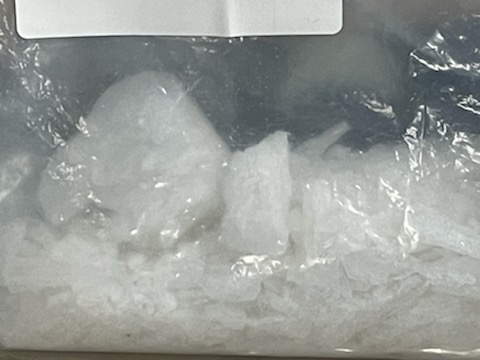
“Ice” is simply a slang term for the crystalline form of methamphetamine. Methamphetamine comes in two primary forms: a powder (often referred to as “crank”) and a crystal. The crystal form is created through a process of crystallization, resulting in clear, glass-like shards or crystals. Because these crystals look like ice, the name “ice” became the dominant street term, especially in regions like Australia and parts of Asia. Buy Research Chemicals Online
Why is “Ice” Preferred Over Powder?
The crystal form is generally more potent and pure than the powder form. Because it is a crystalline structure, it can be smoked, which delivers the drug to the brain almost instantaneously. This creates an intense, immediate “rush” that is far more addictive than taking the drug orally or snorting the powder version.
Is Crystal Meth Illegal in Australia?
Yes, crystal meth (ice) is strictly illegal in Australia. It is classified as a prohibited drug under both state and federal laws.
Australia has struggled significantly with an “ice epidemic” over the last decade. Because of the high demand and the drug’s devastating impact on communities, Australian authorities have implemented some of the strictest drug laws and enforcement strategies in the world.
Legal Consequences in Australia:
- Possession: Carrying even small amounts of ice can lead to heavy fines, community service, or imprisonment.
- Trafficking: Selling or distributing methamphetamine carries severe penalties, including long-term prison sentences.
- Manufacturing: The production of meth is treated as a major crime due to the volatility of the chemicals involved and the danger to the public.
Despite the legality, the Australian government has shifted toward a “harm reduction” model in some areas, focusing on treatment and rehabilitation rather than just incarceration.
How Long Does Crystal Meth Stay in Your System?
One of the most common questions for those concerned about drug tests is how long methamphetamine remains detectable in the body. The answer depends entirely on the type of test being administered, as the drug is metabolized and excreted at different rates.
1. Urine Tests (The Most Common)
Methamphetamine is typically detectable in urine for 2 to 5 days. However, in chronic users, it may stay detectable for slightly longer.
2. Blood Tests
Blood tests are used in emergency rooms or for immediate forensic evidence. Meth leaves the bloodstream quickly, usually becoming undetectable within 24 to 48 hours.
3. Saliva Tests
Saliva tests are often used for roadside or workplace screening. Meth is detectable in oral fluid for approximately 24 to 72 hours.
4. Hair Follicle Tests
Hair tests provide the longest window of detection. Because the drug is trapped in the hair shaft as it grows, a hair follicle test can detect meth use for up to 90 days.
Factors that affect detection time include:
- Metabolism: People with faster metabolisms clear the drug quicker.
- Hydration: Water intake can influence urine concentration.
- Frequency of Use: Daily users will have a higher accumulation of the drug in their tissues.
- Body Mass: Weight and fat percentage can play a role in how the drug is stored.
Benefits and Side Effects of Crystal Meth
When analyzing the “benefits” of methamphetamine, it is critical to state that these are temporary pharmacological effects, not health benefits. The “rewards” the drug provides are bought at the expense of the user’s long-term physical and mental health.
Short-Term “Benefits” (The Euphoric Phase)
Users typically seek out ice for its immediate impact on the central nervous system:
- Intense Euphoria: A massive release of dopamine creates an overwhelming feeling of pleasure.
- Hyper-Alertness: Users feel an artificial sense of confidence and mental clarity.
- Insomnia/Energy: The ability to stay awake for multiple days without feeling tired.
- Suppressed Appetite: Rapid weight loss occurs as the user forgets to eat.
Severe Side Effects
The cost of the high is a devastating “crash” and long-term systemic failure.
1. Physical Destruction:
- Meth Mouth: Severe tooth decay and gum disease caused by chemicals in the drug and extreme dry mouth.
- Skin Picking: Psychosis often leads to the sensation of “crank bugs” under the skin, causing users to pick open sores on their face and arms.
- Heart Failure: Increased heart rate and blood pressure can lead to strokes, heart attacks, and permanent cardiac damage.
2. Psychological Collapse:
- Meth Psychosis: Users may experience vivid hallucinations, delusions, and extreme paranoia.
- Cognitive Decline: Permanent damage to the brain’s dopamine receptors, leading to an inability to feel pleasure from normal activities (anhedonia).
- Aggression: High doses often lead to violent behavior and loss of impulse control.
Scientific Research and Chemical Sourcing
For licensed researchers, forensic analysts, and pharmacological laboratories, access to pure compounds is necessary to study addiction, develop antidotes, and understand the chemical structure of stimulants and psychedelics.
Manfred Quality Chemicals provides high-purity reagents and research chemicals for professional use. For those conducting legal research into stimulants, dissociatives, or hallucinogens, the following materials are available:
- Buy Crystal Methamphetamine: Pure samples for analytical chemistry and pharmacological research.
- Buy Crystal Meth for Sale Online: High-grade samples for laboratory testing.
- Buy Methoxetamine Online: A dissociative compound used in the study of NMDA receptor antagonists.
- Buy Mephedrone Online: Used in research regarding synthetic cathinones.
- Buy MDMA Crystals Online: Pure crystals for the study of empathogens.
- Buy LSD Online: High-purity lysergic acid diethylamide for neurological research.
- Buy DMT Online: N,N-Dimethyltryptamine for study in psychedelic therapy and chemistry.
Note: All products from Manfred Quality Chemicals are for research purposes only and are not intended for human consumption.
Recovery: Breaking the Cycle of Ice Addiction
Overcoming an addiction to ice is one of the hardest challenges a person can face because of how the drug rewires the brain. However, with a structured approach, recovery is possible.
1. Medically Supervised Detox
Detoxing from meth can cause severe depression and suicidal ideation. Medical supervision ensures the user is safe during the initial withdrawal phase.
2. Behavioral Therapy
Cognitive Behavioral Therapy (CBT) helps patients identify the triggers that lead to cravings and provides them with tools to manage those urges.
3. Support Groups
Community-based recovery, such as Narcotics Anonymous (NA), provides the accountability and emotional support necessary to maintain long-term sobriety.
4. Holistic Healing
Nutrition, exercise, and mindfulness help the brain begin the slow process of repairing its dopamine receptors and returning to a state of equilibrium.
Final Thoughts
Whether you call it ice or crystal meth, the result is the same: a high-potency stimulant that offers a fleeting moment of euphoria in exchange for systemic physical and mental decay. From the strict legal penalties in Australia to the long detection windows in hair tests, the shadow of this drug is long.
If you are struggling with addiction, remember that you do not have to fight this battle alone. Reach out to a healthcare provider, a rehab facility, or a crisis hotline today. There is a way back from the brink.